Here's some positive climate stories from across the globe. These stories show how organisations and communities big and small are helping shape a better future for people and planet.
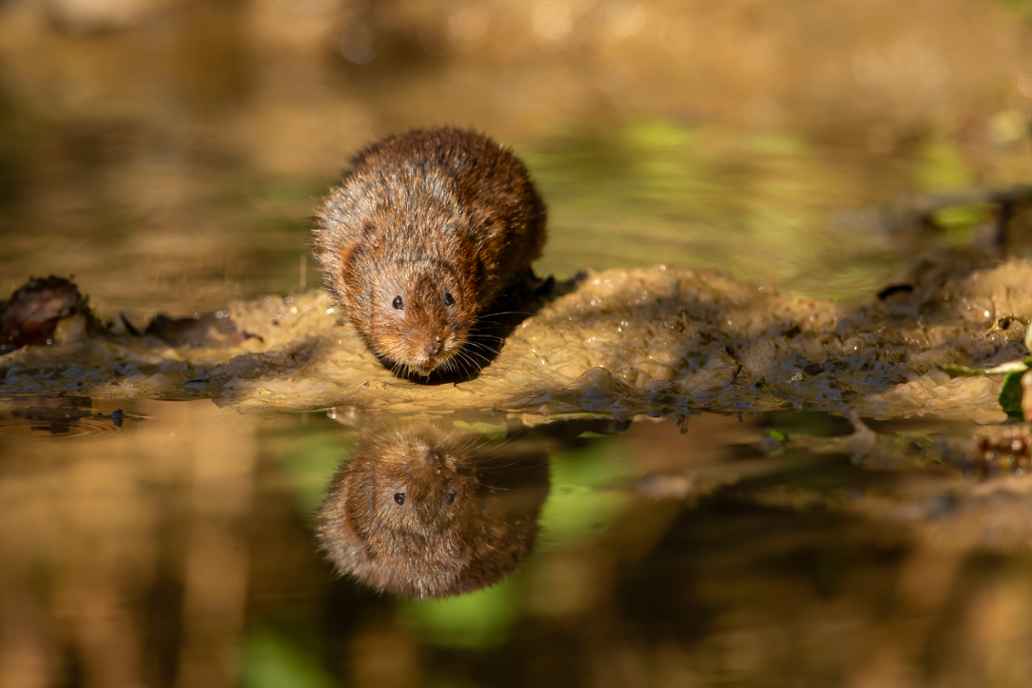
Water voles brought back after more than 25 years
Water voles have been reintroduced to North Devon more than 25 years after being declared almost extinct in the area. The reintroduction project has involved the creation of 20 ponds, removing land drains, planting 26,000 trees and sowing 37 acres of wildflower seed. Natural flood management measures and rewetting have also been introduced, with 1,700m of watercourse, alongside conservation grazing to support biodiversity.
Bristol puts the brakes on fossil fuel ads
Bristol has become the latest city to ban ads for fossil fuels and other polluting products, including flights, SUVs and a UK-first of ultra-fast fashion. This is part of a larger campaign to further promote the use of sustainable practices and reduce the city’s carbon footprint.
The EU Ban on the destruction of unsold clothing
On 19 July this year, the ban on the destruction of unsold clothing came into force and this aims to eliminate a harmful practice that results in resource waste and greenhouse gas emissions from destruction by incineration or landfill. Every year in Europe, between 250,000 and 600,000 tonnes of unsold clothing are destroyed, with these disposal processes generating approximately 5.6 million tonnes of CO2 greenhouse gas emissions annually. The ban will help to reduce these emissions created.
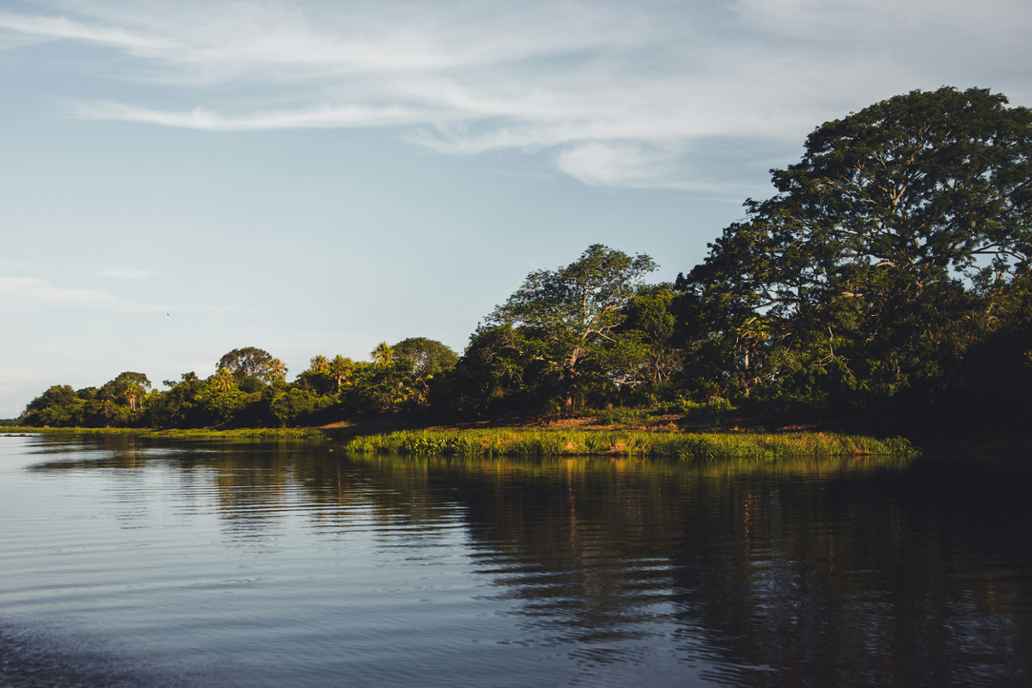
Brazil expands protected area for ‘one of the richest and most sensitive biomes on the planet'
Brazilian environmental authorities have increased the size of a key national park by more than 25% of its original size. The expansion will protect “one of the richest and most sensitive biomes on the planet”, the Pantanal, the world’s largest flooded grasslands. There are 463 species of birds, 269 species of fish, over 100 species of reptiles and amphibians living here, and more than 236 species of mammals.
Also, deforestation in Brazil’s Amazon rainforest fell to a record low of 3,335 square kilometres in 2026, with the decline showing that halting and reversing forest loss by 2030 is possible. This represents a 41.81% decrease from the 5,731 square kilometres recorded last year and a 71.2% decline over the past four years.
The CO2 absorbing building made of old sinks, windscreens and toilets
Rising above the Belgian city Ghent, the new building has vacuumed up the city’s condemned concrete frames, windows, car windscreens, sinks and old toilets, and transformed them into a gleaming monument to recycling.
Solar becomes EU’s largest power source for first time in June
In June, solar energy generated 25% of all electricity in the European Union for the first time. With 52 terawatt-hours, solar surpassed nuclear, gas, and wind in a single month. Five years earlier, solar accounted for just 10% of EU power.
Meet India’s four-legged wildlife detectives
By finding evidence that no human can detect, trained “super sniffer” dogs are cracking tough poaching cases. Belgian Malinios dogs found the footprints of poachers, picked up a scent and led officials out of the forest and into a house in a village where hunting equipment and animal hair was found, leading to the poachers’ arrest.
Wild tiger population more than triples in Nepal, highlighting critical work of coexistence
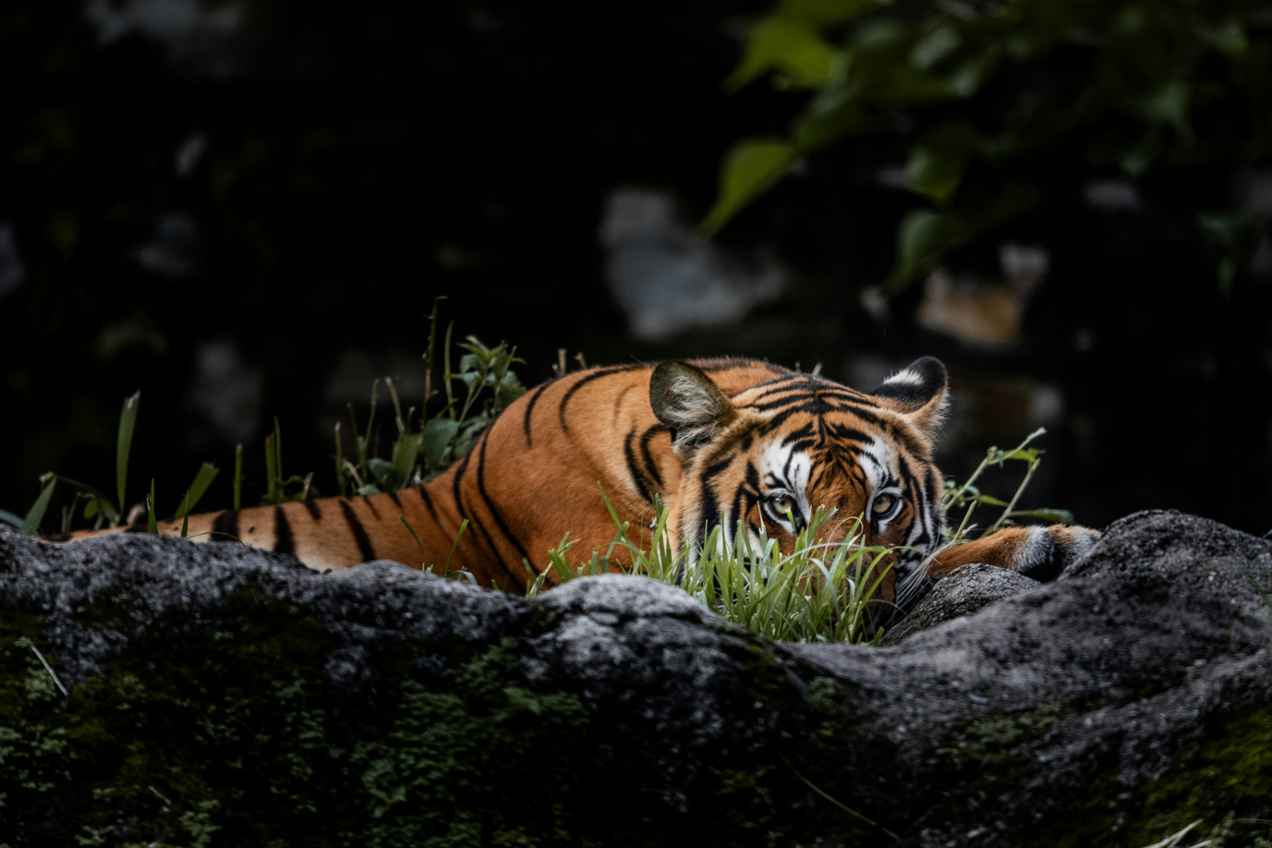
The new wild tiger population estimate is now at 429 tigers, up from 121 tigers in 2010, following decades of sustained, collaborative conservation efforts. Announced by the government of Nepal in July, it represents one of the world’s most significant endangered species recoveries. The new estimate is the result of a holistic approach to conservation that places local communities at the centre. Long-term tiger recovery is only possible with healthy coexistence between people and wildlife.
Thanks for joining the conversation.
We've sent you an email - click on the link to publish your post.